Jacquie Ottman's
Green marketing Blog

To Get the Last Drop, Consumers Look to New Innovative Gadgets
Posted on May 08, 2014 by Jacquelyn Ottman
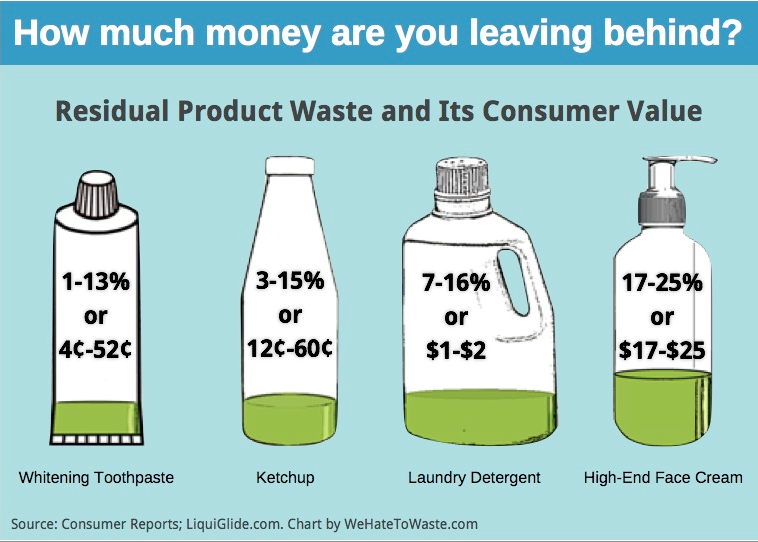
What’s your favorite way to get at that last dollop of the Crest? Do you flatten as you go? Slice the neck? What about the shampoo or conditioner? Do you add a little water and swirl? Prop the bottle upside down in a corner? You are not alone! As the Wall Street Journal has noted, an increasing number of consumers are shaking, rattling and rolling their packages in search of the last drop, ounce and morsel …Read more...
Cultures Around the World Can Inspire No-Waste LIfestyles
Posted on April 24, 2014 by Jacquelyn Ottman

Lunches delivered to workers in India in steel tiffins. (Image: Letztrend.com)
Cultures around the world possess their own unique, deeply-ingrained beliefs and traditions for minimizing waste. For instance, the Yankee Ingenuity helped America put down its early roots, and the Dutch custom of sharing unlocked ‘community’ bikes at train stations inspired bike-sharing programs in NY, Paris and other world capitals. Many …Read more...
Introducing WeHateToWaste.com
Posted on January 07, 2013 by Jacquelyn Ottman

I am excited to announce our new consumer-focused blog and website. In beta test since June, it’s called WeHatetoWaste.com and we’re officially launching it this week.
In line with our mission at J. Ottman Consulting, to help businesses meet consumer needs sustainably, our goal with WeHatetoWaste.com is to ignite a movement and galvanize a community of ardent ‘Waste Watchers’. You know them. They are the ones who get those last extra swipes from the Secret antiperspirant, line …Read more...
Consumers Really Can Save the World
Posted on July 19, 2012 by Jacquelyn Ottman
Annie Leonard for President! Would that we all had her ability to hone in on the issues and communicate them to regular people with such clarity. Check out her new video, The Story of Change, above.
In it, Annie moves into “Season 2” of her efforts to help change the world by encouraging people to take action as citizens, not just as consumers. She posits that green consuming is necessary, but must be a starting, not an ending, point. We must change the system in …Read more...
Book Review: Greener Products: The Making and Marketing of Sustainable Brands
Posted on February 03, 2012 by Jacquelyn Ottman
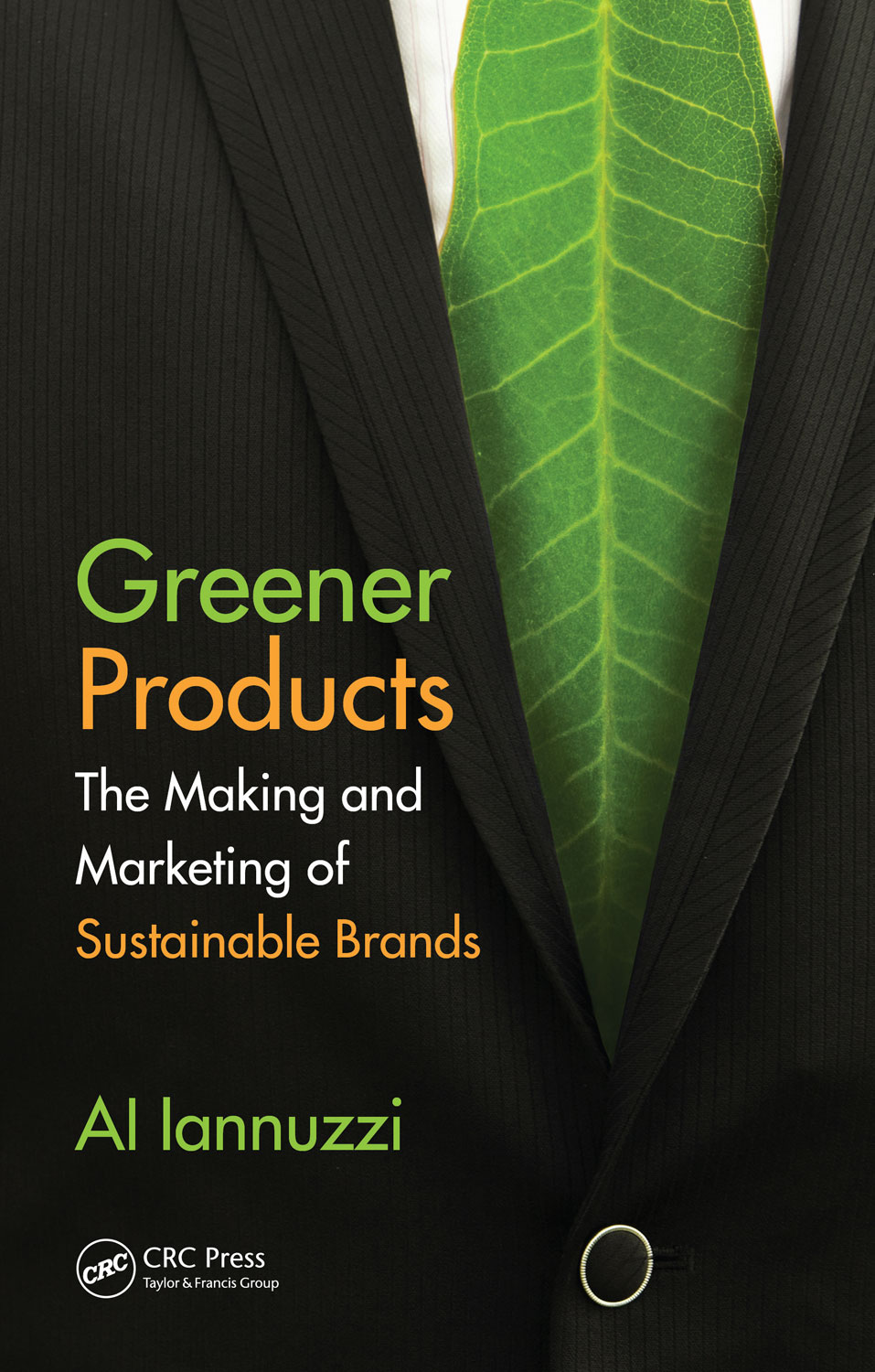 In his recently released Greener Products: The Making and Marketing of Sustainable Brands (2012, CRC Press, 222 pp.), Al Iannuzzi offers a detailed and persuasive case for incorporating sustainability into your business model. Examining both the making and the marketing of green products, his writing is firmly situated in the language of business — making it a useful resource for both business leaders and students alike.
Iannuzzi’s message is rooted in two core truths that we believe in strongly. First, there is …Read more...
The Rise of the Biobased Economy — and Why Brand Owners Need to Develop a Strategy in 2012
Posted on January 11, 2012 by Jacquie Ottman & Mark Eisen
 Our economy is slowly but surely heeding the signal that carbon is the new watchword. During the past few years, a steady stream of so-called “biobased” products have been making their way to retail shelves — compostable dinnerware made from corn, plant-based laundry detergents, and bamboo flooring among them. Coke and Pepsi are now competing to be first to market with a soft drink bottle derived entirely from sugarcane or other plant materials.
The emerging biobased economy even has …Read more...
Why Education is Key to Green Marketing Success
Posted on October 26, 2011 by Jacquelyn Ottman
 Given the complexities of greening, properly educating consumers can make the difference in the success of a campaign. One green marketer who learned the hard way about the need to educate is Whirlpool. In the early 1990s they won a $30 million “Golden Carrot” award that was put up by the U.S. Department of Energy and a consortium of electrical utilities for being the first to market with a chlorofluorocarbon (CFC)-free refrigerator. But they misjudged consumer’s willingness to pay a 10% premium for …Read more...
How to Choose the Right Eco-label for Your Brand
Posted on October 19, 2011 by Jacquelyn Ottman
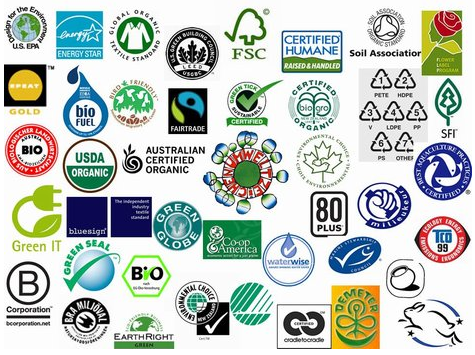 Eco-labels are an excellent way to enhance credibility for green marketing claims, but they are not without risk. While 28% of consumers look to green certification seals or labels to confirm that a product adheres to claims, these labels can also confuse. Happily there’s enough method within the madness for marketers to pave a way forward.
Eco-labeling challenges
More than 400 different eco-labels or green certification systems are now on the market. Questions such as which label is better, which product is …Read more...
Toyota’s Prius: Different Strokes for Different Folks
Posted on October 12, 2011 by Jacquelyn Ottman
 The mainstreaming of green brings with it the need to segment audiences. As marketing efforts behind the Toyota Prius demonstrate, targeting messages to specific consumer groups can broaden appeal.
When launching the Prius in 2001, Toyota opted to target not the green-leaning drivers one might expect, but rather tech-savvy “early adopter” consumers. Featuring a beauty shot of a shiny new car parked at a stop light and illustrated by the provocative headline, “Ever heard the sound a stoplight makes?” an introductory print ad …Read more...
Green Marketing 3.0 Can Re-ignite Interest in Green
Posted on November 15, 2010 by guest blogger, Jeff Dubin
Rumors of green’s demise are being greatly exaggerated. In this year of fiery political passions, the word “revolt” is in the air. However, I think Ad Age inhaled a whiff of the zeitgeist and incorrectly applied the term to consumers supposedly cooling in their ardor for green products. “Has Green Stopped Giving? Seeds of Consumers Revolt Sprouting Against Some Environmentally Friendly Product Lines” trumpets the headline of a recent Ad Age article. The author quotes Timothy Kenyon, director of GfK Roper’s Green Gauge study who more judiciously describes the …Read more...
Terrachoice’s Sins of Greenwashing Report—Time for Industry Self-Regulation?
Posted on November 08, 2010 by Jacquelyn Ottman
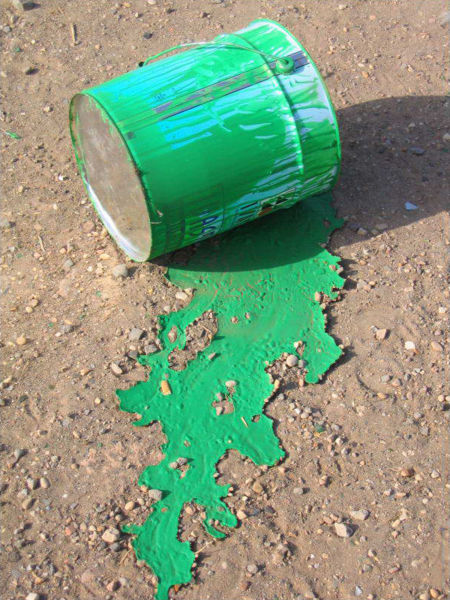 Most of you are familiar with Terrachoice’s “Seven Sins of Greenwashing” report. On a webinar aired in late October, CEO Scott McDougall admitted that his firm never intended to be malicious in their use of the term, “sins”. He believes that most of the “sins” of greenwashing being committed today are really not sins at all, but rather, inadvertent missteps.
Call me literal, or not a fan of hyperbole, but I believe that calling, in effect, …Read more...
Green Marketing Myopia and the SunChips “Snacklash”
Posted on October 27, 2010 by Jacquie Ottman & Mark Eisen
Many marketing experts have weighed in on what they believe to be the reasons for the current backlash against SunChips’s new compostable chip package: excess noise. If you somehow missed it, consumers complained so loudly about the snack food’s new environmentally preferable but noisy corn-based bag that the brand reverted to the old packaging for most of its line. Before we blame consumers once again for not sacrificing a little inconvenience for the sake of the planet, let’s take a step back and understand what really is to …Read more...
EPA’s Role in Advancing Sustainable Products—and You
Posted on September 23, 2010 by Jacquelyn Ottman
According to a new entry in the Federal Register, EPA is now soliciting individual stakeholder input regarding the Agency’s role in the “green” or sustainable products movement. The Agency will consider the information gathered from the Federal Register notice as well as from other sources as it works to define its role and develop a strategy that identifies how EPA can make a meaningful contribution to the development, manufacture, designation, and use of sustainable products.
This represents an important opportunity for …Read more...
Creating the Virtuous Cycle: Integrating Online and Offline Green Marketing
Posted on July 20, 2010 by Jacquelyn Ottman
This is a guest blog post by Paul Hannam.
 Conscious consumers are shifting to the web even more rapidly than many other market segments. According to a report in early 2010 from Burst Media, the internet is the number one source of product information for green consumers. Almost 40% of this group prefers the web in contrast to the TV, in second place, at only 18%. All businesses and …Read more...
Stand By Your Cause: What Marketers Can Learn From Dawn’s Involvement In The Gulf Oil Spill
Posted on July 12, 2010 by Jacquelyn Ottman
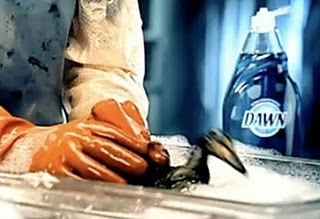 Long marketed by Procter & Gamble as an “effective yet gentle” way to keep dishes free from even the greasiest of grease, Dawn dishwashing liquid was widely publicized during the Exxon-Valdez oil spill in 1989 as an ideal way to remove residue from afflicted bird and mammal species.
Fast forward to mid-April 2010, just days before the 40th anniversary celebration of Earth Day. P&G decided to create awareness for its 30-year long support of bird rescue groups …Read more...