Jacquie Ottman's
Green marketing Blog

Sustainable Innovation 2013: Key Lessons
Posted on December 05, 2013 by Jacquelyn Ottman

Every year I head to Europe to take part in the Sustainable Innovation Conference organized by The Centre for Sustainable Design (UK) as part of its ‘Towards Sustainable Product Design’ series of conferences. Sustainable Innovation brings together pioneers, movers and shakers from around the world and across multiple industries who are changing the game of sustainable design to present their ground-breaking concepts and ideas. This year’s program, as always …Read more...
Demystifying Biobased Products Keys to Marketing Success
Posted on December 06, 2012 by Jacquie Ottman & Mark Eisen
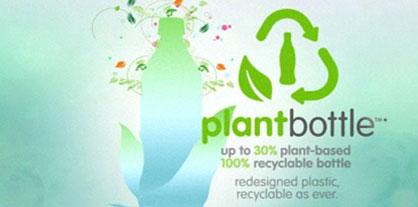
Communicating the benefits of “biobased” content, the world’s newest ecological marketing term, is often tricky. Biobased represents all of green marketing’s traditional challenges — including greenwash — but has additional, unique challenges all its own. Happily, strategies and a credible third party label now exist.
Opportunities For Biobased Products and Packaging
There are many reasons for a business to use biobased content instead of traditional petroleum-based ingredients in their products, including: it helps grow the farm economy, promotes energy independence, and helps …Read more...
Shop ‘Til You Drop—but on Earth Day?
Posted on April 24, 2012 by Jacquelyn Ottman

This year seemed to produce a bumper crop of Earth Day promotions — and a lot of accompanying media backlash. Stories written by Marc Gunther, Matt Wheeland, and a NYTimes piece by Elisabeth Rosenthal are three I saw and I’m sure you saw more yourself.
The media are making Earth Day marketers look like the moneychangers in the temple. Why is this happening? What can we do about it?
It’s happening because of dyed-in-the-wool skepticism over business’s real …Read more...
Swap, Don’t Shop: Making Green in the Sharing Economy
Posted on April 12, 2012 by Jacquelyn Ottman
 With the development of social networking sites, user-generated content, and increased access to broadband technologies and personal computers, the Internet has been radically redefined and repositioned. This shift towards “Web 2.0” has changed the way we communicate with one another; it has democratized the way in which information is shared amongst users; and it has collapsed geographic, political, and cultural barriers, in turn redefining our perception of community.
While it can be hard to grasp in specific terms how exactly the Internet …Read more...
Book Review: Greener Products: The Making and Marketing of Sustainable Brands
Posted on February 03, 2012 by Jacquelyn Ottman
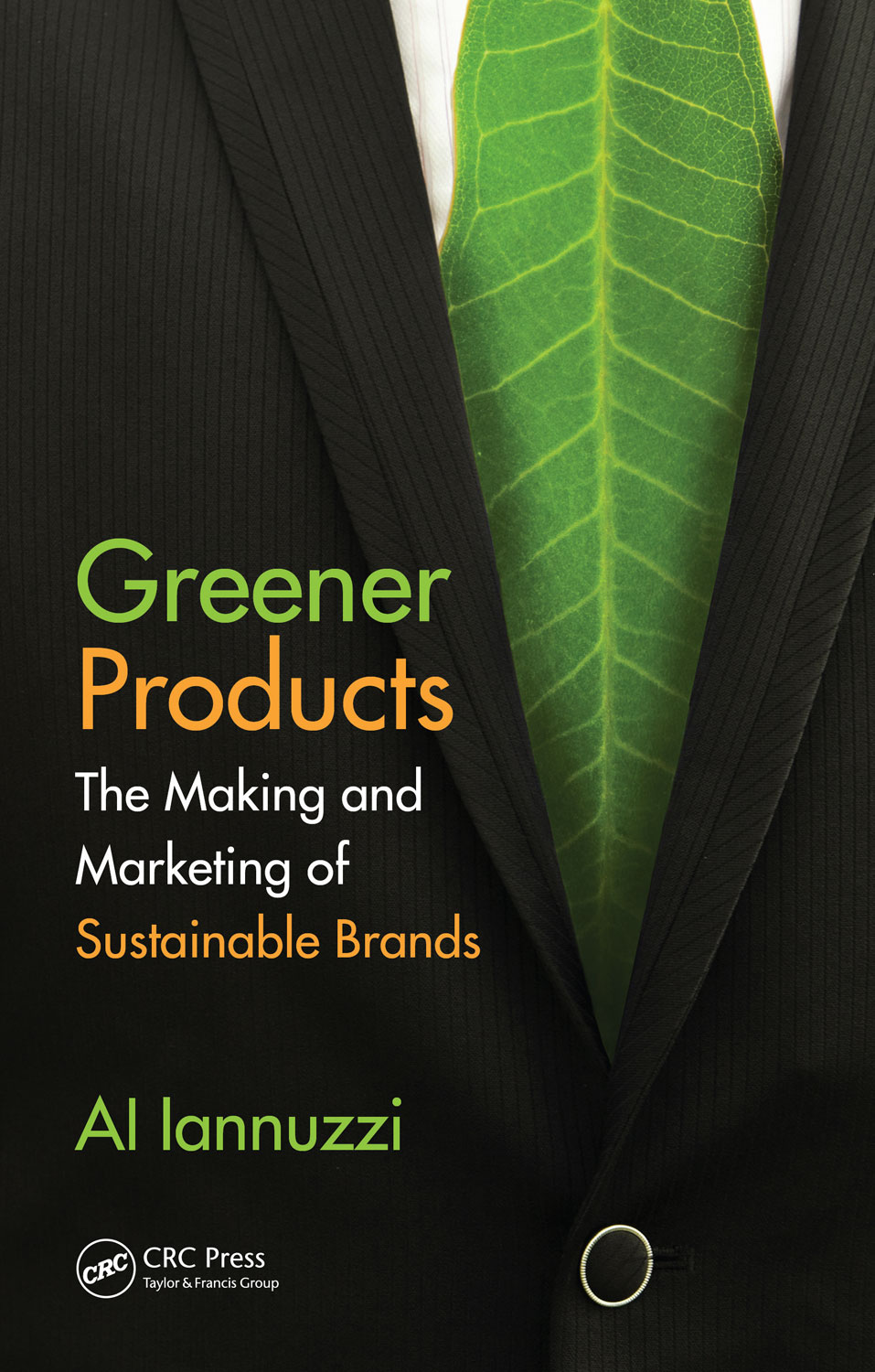 In his recently released Greener Products: The Making and Marketing of Sustainable Brands (2012, CRC Press, 222 pp.), Al Iannuzzi offers a detailed and persuasive case for incorporating sustainability into your business model. Examining both the making and the marketing of green products, his writing is firmly situated in the language of business — making it a useful resource for both business leaders and students alike.
Iannuzzi’s message is rooted in two core truths that we believe in strongly. First, there is …Read more...
Book Review: The Method Method
Posted on December 12, 2011 by Jacquelyn Ottman
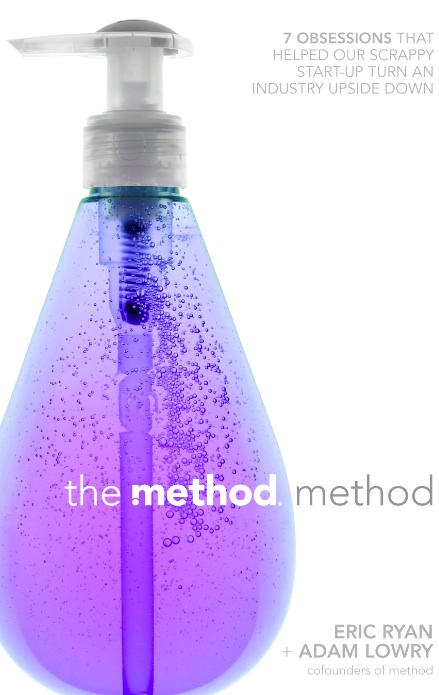 In their new book The Method Method: 7 Obsessions that Helped Our Scrappy Start-up Turn an Industry Upside Down, Method cofounders Eric Ryan and Adam Lowry with co-author Lucas Conley take the occasion of their unconventional company’s tenth anniversary to step back, and offer readers the opportunity to peek inside their business, learning from their mistakes and acquiring the secrets to their success.
The Method Method offers a refreshingly honest look at how to create and …Read more...
EPA’s Design for the Environment Label — A Route to Safer Chemicals
Posted on November 21, 2011 by Jacquelyn Ottman
Some chemicals are safer than others, and the U.S. EPA’s Office of Pollution Prevention and Toxics’s voluntary Design for the Environment label can help consumers identify all purpose cleaners, laundry detergents and oth er products that have met performance measures and are known to contain the safest possible ingredients. Since its inception in 1997, the label has been earned by over 2700 products. (Full disclosure: DfE is a former client of mine.)
A product of EPA’s now twenty-year-old Design for the Environment (DfE) Program, the …Read more...
Why Education is Key to Green Marketing Success
Posted on October 26, 2011 by Jacquelyn Ottman
 Given the complexities of greening, properly educating consumers can make the difference in the success of a campaign. One green marketer who learned the hard way about the need to educate is Whirlpool. In the early 1990s they won a $30 million “Golden Carrot” award that was put up by the U.S. Department of Energy and a consortium of electrical utilities for being the first to market with a chlorofluorocarbon (CFC)-free refrigerator. But they misjudged consumer’s willingness to pay a 10% premium for …Read more...
Toyota’s Prius: Different Strokes for Different Folks
Posted on October 12, 2011 by Jacquelyn Ottman
 The mainstreaming of green brings with it the need to segment audiences. As marketing efforts behind the Toyota Prius demonstrate, targeting messages to specific consumer groups can broaden appeal.
When launching the Prius in 2001, Toyota opted to target not the green-leaning drivers one might expect, but rather tech-savvy “early adopter” consumers. Featuring a beauty shot of a shiny new car parked at a stop light and illustrated by the provocative headline, “Ever heard the sound a stoplight makes?” an introductory print ad …Read more...
Focus On Consumer Self-Interest to Win Today’s Green Customer
Posted on October 05, 2011 by Jacquelyn Ottman
If your green ads showcase the now tiresome images of babies, daisies, and planets, your messages will likely be irrelevant to mainstream consumers. Eco-imagery may have tugged at the purse-strings of “deep green” consumers, but their lighter green counterparts, who make up the bulk of the market, want to know how even the greenest of products benefit them personally. While the environment may be the underlying reason a product was created or upgraded, it will likely not be the primary motivation for consumers to choose your brand over those of …Read more...
“New Rules of Green Marketing” Named One of Top 40 Books on Sustainability
Posted on June 06, 2011 by Jacquelyn Ottman
 I’m thrilled to announce that my book The New Rules of Green Marketing: Strategies, Tools and Inspiration for Sustainable Branding was recently named to the list of Top 40 Sustainability Books of 2010 by the Cambridge Programme for Sustainability Leadership (CPSL), University of Cambridge (U.K.).
Other titles on the list include: Our Choice (Al Gore), Next Generation Business Strategies for the Base of the Pyramid (Ted London & Stuart L. Hart), The Power of Sustainable Thinking (Bob Doppelt), and Prosperity …Read more...
Posted on May 19, 2011 by Guest Blogger, Irv Weinberg Some pundits declare that green marketing is dead. To quote Mark Twain, ” the rumors of my death have been greatly exaggerated.” I think the same can be said of green marketing. Posted on November 15, 2010 by guest blogger, Jeff Dubin Rumors of green’s demise are being greatly exaggerated. In this year of fiery political passions, the word “revolt” is in the air. However, I think Ad Age inhaled a whiff of the zeitgeist and incorrectly applied the term to consumers supposedly cooling in their ardor for green products. “Has Green Stopped Giving? Seeds of Consumers Revolt Sprouting Against Some Environmentally Friendly Product Lines” trumpets the headline of a recent Ad Age article. The author quotes Timothy Kenyon, director of GfK Roper’s Green Gauge study who more judiciously describes the …Read more...
Posted on November 08, 2010 by Jacquelyn Ottman Call me literal, or not a fan of hyperbole, but I believe that calling, in effect, …Read more...
Posted on October 27, 2010 by Jacquie Ottman & Mark Eisen Many marketing experts have weighed in on what they believe to be the reasons for the current backlash against SunChips’s new compostable chip package: excess noise. If you somehow missed it, consumers complained so loudly about the snack food’s new environmentally preferable but noisy corn-based bag that the brand reverted to the old packaging for most of its line. Before we blame consumers once again for not sacrificing a little inconvenience for the sake of the planet, let’s take a step back and understand what really is to …Read more...
Green Marketing. Not Dead, Just Misdirected.
Here at Mind Over Markets we’ve been saying for years that green marketing messages have not been communicated correctly right from the start.
The first task of green marketing, like all other marketing, should have been an analysis of benefits. First to the consumer and then to the planet. Too many opted for …Read more...
Green Marketing 3.0 Can Re-ignite Interest in Green
Terrachoice’s Sins of Greenwashing Report—Time for Industry Self-Regulation?
 Most of you are familiar with Terrachoice’s “Seven Sins of Greenwashing” report. On a webinar aired in late October, CEO Scott McDougall admitted that his firm never intended to be malicious in their use of the term, “sins”. He believes that most of the “sins” of greenwashing being committed today are really not sins at all, but rather, inadvertent missteps.
 Green Marketing Myopia and the SunChips “Snacklash”